This is one of the most common questions homeowners ask before committing to a pool project. And it is a fair question. A pool is a significant purchase, and knowing how it affects your home's resale value is part of making an informed decision.
We install pools, so you might expect us to tell you that a pool always adds value. We will not do that, because it is not always true. The real answer depends on your specific situation.
What is the honest answer about pools and home value?
A pool adds some value to most homes, but it almost never recoups its full installation cost at resale. This is true in Ontario and true across Canada.
Most real estate professionals estimate that a pool adds 30% to 50% of its cost to a home's resale value. On a pool project that cost $110,000, that means roughly $33,000 to $55,000 in added home value. You are not getting dollar-for-dollar return.
But here is the other side: very few home improvements return 100% of their cost at resale. Kitchen renovations return about 60% to 80%. Bathroom renovations return about 50% to 70%. A finished basement returns about 50% to 75%. Pools fall in the same general range as most major home projects.
The difference with a pool is that the reaction from buyers tends to be more polarized. Some buyers actively search for homes with pools. Others specifically filter them out. A kitchen renovation rarely makes someone walk away from a house. A pool sometimes does.
What do real estate agents say?
Real estate agents in Ontario will generally tell you three things about pools and resale:
- Pools help in the right neighbourhoods. In established family neighbourhoods where pools are common, a pool is expected. Not having one can actually be a disadvantage. Neighbourhoods like Byron, Lambeth, or Masonville in London often have multiple homes with pools on each street.
- Pools are neutral to negative in starter home markets. For homes priced under $550,000, many buyers are stretching their budget and do not want the added maintenance cost. They may see the pool as a liability rather than an asset.
- Condition matters more than existence. A well-maintained pool with a clean patio and functioning equipment adds value. A neglected pool with cracked coping, cloudy water, and dated equipment subtracts value. Buyers will mentally deduct the cost of fixing problems, and they usually overestimate what repairs will cost.
The general consensus among agents is this: a pool adds the most value to homes priced above $660,000 in family-oriented neighbourhoods where outdoor living space is valued.
What is the typical ROI on a pool in Ontario?
Here is how pools compare to other common home improvements in terms of resale return:
| Home Improvement | Typical Cost (CAD) | Resale Return |
|---|---|---|
| Kitchen renovation (mid-range) | $38,500 – $82,500 | 60% – 80% |
| Bathroom renovation | $16,500 – $44,000 | 50% – 70% |
| Finished basement | $33,000 – $77,000 | 50% – 75% |
| Inground pool (fiberglass) | $82,500 – $143,000 | 30% – 50% |
| Deck or patio (no pool) | $11,000 – $33,000 | 50% – 75% |
| Landscaping | $5,500 – $22,000 | 50% – 100% |
A pool falls at the lower end of the return spectrum compared to interior renovations. But the comparison is not entirely fair, because the value of a pool is not just financial. Nobody installs a kitchen so they can spend summer afternoons in it with their kids.
When does a pool help your home's value?
A pool is most likely to add value when several conditions are true at the same time:
- The home is in a higher price range. For homes valued above $660,000, a pool is often seen as a natural fit. Buyers at this level expect outdoor amenities and are less concerned about the ongoing maintenance costs.
- The neighbourhood is family-oriented. Subdivisions with young families, good schools, and other homes with pools. If the neighbourhood already has pools, yours fits right in.
- The lot is large enough. A pool on a generous lot with room for a patio, grass, and a fence feels like an upgrade. A pool that takes up the entire backyard feels cramped.
- The pool and patio are in good condition. Clean water, modern equipment, a well-maintained patio surface, and an attractive overall look. First impressions matter.
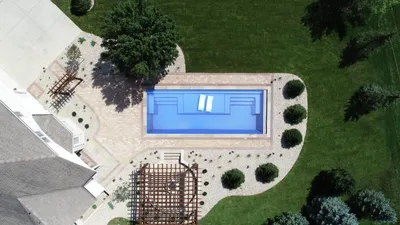
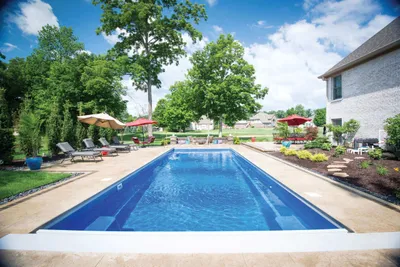
- The pool is professionally installed and well-designed. A pool that looks like it belongs in the backyard, with proper grading, quality coping, and thoughtful landscaping around it, adds more perceived value than a pool that looks like an afterthought.
In neighbourhoods like Sunningdale, Hyde Park, or Riverbend in London, a well-done pool project is generally a positive feature for resale.
When does a pool hurt your home's value?
There are situations where a pool can work against you at resale:
- Entry-level homes. Buyers at the lower end of the market are often stretching their budget. They see the pool and think about opening costs, closing costs, chemical costs, insurance increases, and the time commitment. For these buyers, the pool is not a feature. It is a future expense.
- Very small lots. If the pool takes up most of the usable backyard, families with young children or dogs may pass. People want some green space. A pool that leaves no room for anything else can feel like it dominates the property.
- Rural properties with acreage. On a property with five acres, a pool may be less appealing than it would be in a suburban setting. The buyer pool for rural properties is different, and many of those buyers are not looking for pool maintenance on top of property maintenance.
- Poorly maintained pools. A green pool, cracked patio, or rusted equipment does not just fail to add value. It actively reduces it. Buyers will assume the worst and deduct more than the actual repair cost from their offer.
- Above-ground pools. Above-ground pools rarely add any measurable value to a home and can sometimes reduce curb appeal. This article focuses on inground pools, which are a different category entirely.
Does the type of pool matter for resale?
Yes. Buyers perceive different pool types differently:
| Pool Type | Buyer Perception | Impact on Value |
|---|---|---|
| Fiberglass | Modern, low maintenance, durable | Positive |
| Concrete (gunite) | High-end, custom, but potentially expensive to maintain | Positive (if well maintained) |
| Vinyl liner | Functional, but liner replacement is a known future cost | Neutral to slightly positive |
| Above-ground | Temporary, lower quality | Neutral to negative |
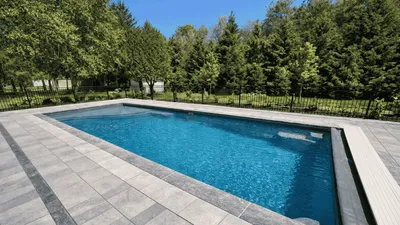
Fiberglass pools tend to score well with buyers because they look clean, the gel coat surface ages well, and buyers have heard that they are lower maintenance. Concrete pools also score well, especially in higher-end homes, though buyers may worry about resurfacing costs. Vinyl liner pools are seen as more budget-oriented, and the looming liner replacement (every 7 to 12 years) can be a concern for buyers.
That said, condition trumps type every time. A well-maintained vinyl liner pool adds more value than a neglected concrete pool.
How can you maximize the resale value of your pool?
If you want your pool to contribute as much as possible to your home's value, focus on these areas:
- Keep it maintained. This is the single biggest factor. Clean water, functioning equipment, and a tidy pool area signal to buyers that the pool has been cared for. Neglect signals expensive problems they cannot see.
- Keep the patio in good condition. The patio is what buyers see first. Cracks, heaving, stains, and weeds make the whole pool area look dated. A clean, level patio surface makes everything look better.
- Keep the equipment current. A pump, filter, and heater that are 15 or 20 years old will concern buyers. You do not need to replace equipment prematurely, but if you are planning to sell within a few years, consider upgrading aging components.
- Document everything. Keep records of equipment purchases, warranty information, annual opening and closing dates, and any repairs. A binder of pool records tells the buyer that the pool has been responsibly maintained.
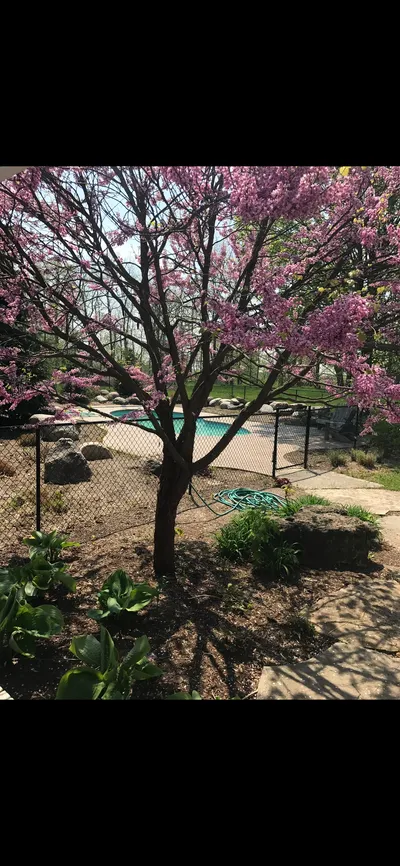
- Landscape around the pool. A pool surrounded by bare dirt and a chain-link fence looks very different from a pool surrounded by greenery, privacy screening, and attractive fencing. The landscape context matters as much as the pool itself.
- Make the pool area feel like a room. When buyers can imagine sitting on the patio with a coffee or watching their kids swim, the pool adds emotional value on top of financial value. Staging the pool area for showings (clean furniture, a few plants, the pool cover off) helps buyers see the lifestyle.
Does a pool increase property taxes in Ontario?
Yes, it can. In Ontario, the Municipal Property Assessment Corporation (MPAC) assesses property values for tax purposes. An inground pool is considered a permanent improvement and can increase your property's assessed value.
The amount of the increase varies. MPAC considers the type of pool, its size, and the overall property. In most cases, the property tax increase from a pool is relatively modest, typically a few hundred dollars per year.
You are not required to report a pool to MPAC yourself. They update assessments periodically and may pick up the change through aerial imagery, building permits, or routine reviews. Your municipality may also flag it when you pull a pool fence permit.
The property tax increase is a real ongoing cost, but it is not usually large enough to be a deciding factor in whether to install a pool.
How does a pool affect home insurance?
A pool will increase your home insurance premium. The exact amount depends on your insurer, your coverage level, and whether the pool has safety features like a locking fence and safety cover.
Most homeowners see an insurance increase of $55 to $220 per year for an inground pool. Your insurer will also want to confirm that your liability coverage is adequate, since a pool increases the risk of injury claims on your property.
Some insurers require proof of compliant fencing before they will add pool coverage. Others may offer a discount if you have an automatic safety cover or alarm system on the pool.
Call your insurer before the pool goes in, not after. They can tell you exactly how your premium will change and whether they have any requirements you need to meet during installation.
What Ontario-specific factors affect pool value?
Ontario has a few characteristics that influence how pools affect home value differently than in other parts of Canada or the United States:
- Short swim season. Ontario's outdoor pool season runs roughly from late May to September. That is about 4 months of usable pool time without a heater, and maybe 5 to 6 months with one. Buyers know this. The shorter season means the pool has to earn its keep in fewer months, and some buyers question whether it is worth it.
- Winterization costs. Every pool in Ontario needs to be opened in spring and closed in fall. That is $550 to $880 per year if you hire it out. Buyers in warmer climates do not have this cost. It is one more line item that Ontario pool owners live with.
- Family demographics. Southwestern Ontario has a strong suburban family demographic. Neighbourhoods built around schools, parks, and family life tend to value pools more than urban condos or rural properties.
- Home price growth. Ontario's real estate market has seen significant price growth over the past decade. In a rising market, a pool's value tends to grow with the overall home value. In a flat or declining market, the pool's value contribution can shrink.
- Municipal fencing requirements. Every Ontario municipality requires pool fencing, and some have specific requirements about fence height, gate type, and setbacks. Compliance matters at resale. A pool without code-compliant fencing is a red flag for buyers and their home inspectors.
What is the real value of a pool?
We have spent this entire article talking about financial value, but that is only part of the picture. If financial return were the only measure, nobody would install a pool, renovate a kitchen, or finish a basement. None of these projects pay for themselves at resale.
The real value of a pool is in how you use it while you own it.
Families with pools spend more time together at home. Kids bring friends over instead of going somewhere else. Weekends that would have been spent driving to a beach or a water park are spent in the backyard instead. Evenings that would have been spent inside are spent sitting by the pool.
That is not a financial return. It is a lifestyle return. And for most pool owners, that is the real reason they built the pool in the first place.
If you are thinking about a pool purely as a financial play, it is probably not the right decision. If you are thinking about it because you and your family will use it and enjoy it for years, the resale value is a secondary consideration. The pool pays for itself in summers, not in sale price.
We sell pools, so we have a bias. But we also know that the happiest pool owners are the ones who built the pool for themselves, not for the next buyer.
Frequently Asked Questions
How much value does a pool add to a home in Ontario?
A well-maintained pool in Ontario typically adds 30% to 50% of its installation cost to a home's resale value. On a $110,000 pool project, that means roughly $33,000 to $55,000 in added value. The exact figure depends on the neighbourhood, lot size, home price range, and the condition of the pool and surrounding patio.
Does a pool make a house harder to sell?
It can, depending on the buyer pool. Families with children and buyers in higher price ranges often want a pool. First-time buyers, retirees, and people buying entry-level homes may see it as an added expense and responsibility. In neighbourhoods where pools are common, having one is expected. In areas where they are rare, it can narrow your buyer pool.
Should I install a pool just to increase my home's value?
No. A pool almost never recoups its full cost at resale. If your only reason for installing a pool is to increase your home's value, you would get a better financial return from a kitchen or bathroom renovation. Install a pool because you and your family will enjoy it. The added home value is a bonus, not the reason.
Does the type of pool affect resale value?
Yes. Fiberglass and concrete pools generally add more perceived value than vinyl liner pools. Buyers see fiberglass and concrete as more permanent and lower maintenance. A vinyl liner pool with a new liner can still add value, but buyers often factor in the cost of future liner replacements. Condition matters more than type, though. A well-maintained vinyl pool beats a neglected concrete pool.
Does a pool increase property taxes in Ontario?
Yes, a pool can increase your property assessment from MPAC (Municipal Property Assessment Corporation), which may result in higher property taxes. The increase varies by municipality and the size of the pool project. In most cases, the property tax increase is modest, typically a few hundred dollars per year. Contact your local municipal office for specifics.